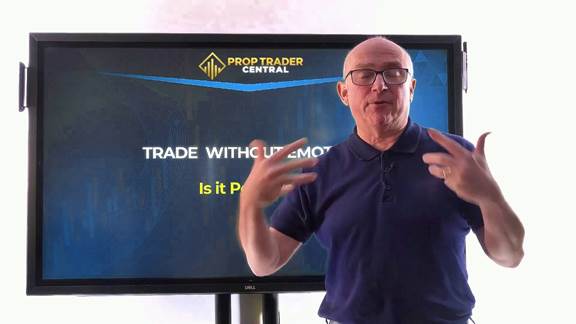
You’ll often read that the only way to succeed is to “trade without emotion”. I don’t believe that’s possible. We’re human, and money is an emotional subject. I’ve been trading for nearly 40 years and I still feel it. What we can do is recognise the emotions and biases that cause damage, and put things in place to limit them. In this article I’ll walk through the traps I see traders fall into again and again, whatever their experience.
1. Fear
The fear of watching profits disappear makes you grab them too early. You end up with lots of small winners, but your losers stay full size. That wrecks your risk-to-reward, and slowly bleeds the account.
2. Greed
Greed is the opposite: never taking profit, always holding out for the home run. Or worse, increasing your trade size to go for one big winner. Remember: no one trade should make you, and no one trade should break you. Trade the same percentage risk every time, however you feel.
3. FOMO (fear of missing out)
Watching the perfect setup leave without you is hard. But jumping in late, after the move has already happened, usually means getting in at the wrong time. If you miss it, let it go. There will always be another trade.
4. Trade baggage
Every trading session is different. A great day yesterday doesn’t mean a great day today, so don’t get overconfident. A bad day yesterday shouldn’t make you start today with negative thoughts. If a couple of losing days are weighing on you, take a day off and come back fresh. The markets will still be there tomorrow, next week and for years to come.
5. Trading addiction
I want to be serious about this one. Trading can be addictive. The highs and lows are intense. Warning signs include:
- Feeling euphoric when you win and depressed when you lose
- Thinking about the markets 24/7
- Being desperate for the market to open on Sunday night, or still at the screens for the Friday close
- Neglecting your family
- Hiding your losses from your partner
If trading is taking over your life, stop. In the UK, the National Gambling Helpline, run by GamCare, offers free, confidential support 24 hours a day on 0808 8020 133.
6. Comparing yourself with others
Stop looking over the garden fence; the grass isn’t greener. The traders boasting about their winnings never mention their losing runs. Some of those YouTube success stories may be true, but someone wins the lottery every week too. Focus on your own business. Nobody else is paying your rent.
7. Anchoring bias
Anchoring is sticking to the first view you hear. Say you hear me on a live stream saying the dollar looks strong, so you only look for dollar buys all day, even after a data release changes the picture. Markets change constantly, and fundamentals often don’t play out the way they “should”. Trade what you see, not what you think, and follow your strategy rules.
8. Confirmation bias
This is looking only for evidence that supports your trade, and ignoring everything against it, usually to justify staying in a losing trade or moving your stop. It’s a bit like my daughters asking me how they look before a night out. They come to me because they know I’ll say “you look wonderful”. My wife will tell them to change. Be your own honest critic.
9. Revenge trading
The market isn’t your enemy. It doesn’t even know you exist. Revenge trading looks like:
- Jumping straight into another trade after a loss
- Flipping to the opposite direction because the last trade went wrong
- Increasing your size to win back what you lost
If you lose, walk away and wait for the next genuine setup. Write “I will not revenge trade” on a note in front of your screen.
10. Being married to a trade
Re-entering a trade that’s just stopped you out because you “know” you’re right is as bad as moving your stop. The setup failed. Let it go. You don’t need to be right every time; remember the law of large numbers. As the trading author Mark Douglas taught, you have to truly accept the risk. It’s OK to be wrong.
11. Thinking about the money
Thinking about what you’ll buy with your winnings, or what your losses could have bought, clouds your judgement. Years ago I came home from the floor and told my partner how much I’d lost that day. She said, “That’s the price of a small family house.” That didn’t help one bit. Think in percentages and process, not pounds and dollars.
12. Herd mentality
Everyone in the chat room has just bought the DAX and they’re all making money, so you pile in too. If you lose, you all lick your wounds together; if you win, you celebrate together. But it has no longevity. Those people could be on demo accounts or trading $100. Your trading business is yours. Make your decisions from your own strategy, and take responsibility for them yourself.
13. Hindsight bias
“Last time I moved my stop, it worked, so I’ll do it again.” “Support held last time, so it’ll hold this time.” Every trade is different, and the forces in the market are always changing. Relying on what worked before leads to overconfidence, and then self-doubt when it doesn’t work.
Bonus: the “I need more education” trap
If you’re new, of course you need education. But if you’ve done the study, you know your approach and you’re trading your strategy, a losing run doesn’t mean you need another course or another book. I’ve seen traders hop from one course to the next looking for the magic they’re missing. Usually it’s not the education. It’s that they’ve lost their discipline.
How to use this list
We can’t trade without emotion, but we can limit the damage:
- Go through this list and write down the traps you’ve fallen into.
- Put them on a card and stick it by your trading screen.
- Read it every morning, before you start trading.
Why this matters for prop traders
Almost every one of these traps leads to the same place on a prop firm account: oversized trades, broken rules, and a breached daily loss or drawdown limit. Knowing your weak spots is one of the best ways to protect your funded account.
Frequently asked questions
Can you trade without emotion? In my view, no. But you can recognise your emotions and put rules and routines in place to limit their impact.
What is revenge trading? Trading to win back a loss, by jumping straight back in, flipping direction or increasing your size.
What is confirmation bias in trading? Seeking out only the information that supports your trade, and ignoring anything that goes against it.
What is FOMO in trading? The fear of missing out, which leads traders to chase moves after they’ve already happened.
Can trading become an addiction? Yes. If trading is taking over your life, stop and get support. In the UK, the National Gambling Helpline is free and open 24/7 on 0808 8020 133.
Watch the lesson
This article goes with lesson 34 of the Prop Trader Central Masterclass, Psychology: A Deep Dive: https://youtu.be/mgrCxqLzrGM
Trading forex and CFDs involves a high level of risk and may not be suitable for everyone. Most retail accounts lose money when trading CFDs. This article is for educational purposes only and is not financial advice.